
In recent years, shockwave therapy has gained significant popularity as a non-invasive treatment for various musculoskeletal conditions. This innovative approach utilizes acoustic waves to stimulate healing processes in the body, making it an attractive option for individuals suffering from chronic pain, sports injuries, and even conditions like plantar fasciitis or tennis elbow. As more people search for effective pain relief, many are turning to local providers, wondering what to expect from shockwave therapy near me.
Understanding Shockwave Therapy: The Basics
Shockwave therapy involves the application of high-energy acoustic waves to targeted areas of the body. These waves penetrate deep into the tissues, promoting increased blood circulation, cellular repair, and collagen production. The process can significantly reduce pain and accelerate healing, making it a valuable treatment option for a wide range of conditions.
One of the most appealing aspects of shockwave therapy is its non-invasive nature. Unlike surgical interventions, which often require lengthy recovery periods and carry inherent risks, shockwave therapy typically involves minimal downtime. Patients can usually resume their daily activities immediately after treatment, making it a convenient choice for those seeking relief without the complications associated with invasive procedures.
The Conditions Treated by Shockwave Therapy
Shockwave therapy is effective for various conditions, particularly those involving soft tissue injuries and chronic pain. Common ailments treated include:
Tendinitis: Chronic inflammation of tendons can be debilitating, impacting mobility and overall quality of life. Shockwave therapy can help reduce inflammation and alleviate pain, allowing individuals to return to their normal activities more quickly.
Plantar Fasciitis: This condition, characterized by heel pain due to inflammation of the plantar fascia ligament, can be particularly stubborn. Shockwave therapy can stimulate healing in the affected area, providing relief where other treatments may have failed.
Tennis Elbow and Golfer's Elbow: These conditions arise from repetitive strain on the elbow's tendons. Shockwave therapy has shown promising results in reducing pain and promoting healing in these regions.
Calcific Shoulder Tendinopathy: This condition involves the formation of calcium deposits in the shoulder tendons, leading to pain and limited range of motion. Shockwave therapy helps dissolve these deposits and alleviate discomfort.
Achilles Tendinopathy: Chronic pain in the Achilles tendon can hinder athletic performance and daily activities. Shockwave therapy promotes healing and reduces pain, helping individuals regain their strength and mobility.
What to Expect During a Shockwave Therapy Session
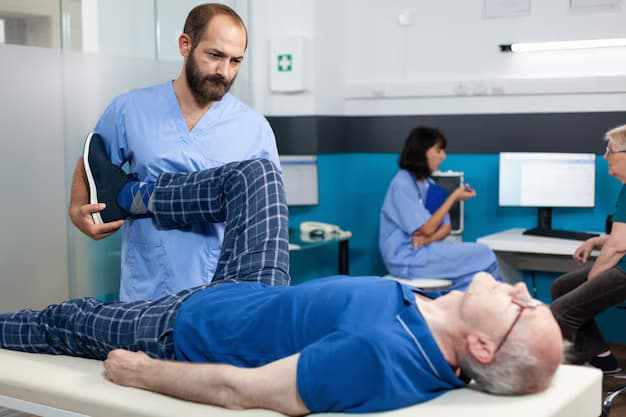
For those considering shockwave therapy, understanding the treatment process is essential. When a patient arrives for their session, a qualified practitioner will typically begin with an assessment of the condition. This evaluation may involve a physical examination and a discussion of the patient's medical history, including previous treatments attempted and any ongoing symptoms.
Once the practitioner has a clear understanding of the issue, they will explain the shockwave therapy process. During the treatment, the patient will be positioned comfortably, and a gel will be applied to the targeted area to facilitate the transmission of the acoustic waves. The practitioner will then use a handheld device to deliver the shockwaves to the affected tissues.
While the sensation of shockwave therapy can vary from person to person, many patients describe it as a mild discomfort rather than pain. The treatment typically lasts between 15 to 30 minutes, depending on the area being treated and the severity of the condition. Patients may experience some soreness in the treated area following the session, but this is generally temporary and resolves quickly.
The Frequency and Duration of Treatment
The number of shockwave therapy sessions required can vary based on the individual's condition and response to treatment. Many patients begin to notice improvements after just a few sessions, while others may require more extensive treatment to achieve optimal results. A typical treatment plan may involve 3 to 6 sessions, spaced a week apart.
It is essential for patients to maintain open communication with their practitioner throughout the process. They should discuss their progress and any changes in symptoms, as this will help the practitioner adjust the treatment plan as needed.
Benefits of Shockwave Therapy
The benefits of shockwave therapy extend beyond pain relief. Many patients report improved mobility and function following treatment, allowing them to engage in activities they love without limitation. Moreover, shockwave therapy promotes healing at a cellular level, which can lead to long-term improvements in the affected tissues.
Another significant advantage is the non-invasive nature of the treatment. Many individuals are hesitant to pursue surgery due to the associated risks and recovery times. Shockwave therapy offers a viable alternative that minimizes these concerns while effectively addressing pain and discomfort.
Additionally, the treatment can often be combined with other therapeutic modalities, such as physical therapy or chiropractic care, for a more comprehensive approach to healing. This collaborative effort can enhance the overall effectiveness of the treatment plan, leading to faster recovery times and better outcomes.
Potential Considerations and Side Effects
While shockwave therapy is generally well-tolerated and safe, it is essential for patients to be aware of potential considerations. Some individuals may experience temporary redness, swelling, or discomfort in the treated area following the session. These side effects are usually mild and resolve within a few days.
However, certain individuals may not be suitable candidates for shockwave therapy. Those with specific medical conditions, such as osteoporosis, blood clotting disorders, or infections in the treatment area, should consult with their healthcare provider to determine if shockwave therapy is appropriate for them.
Finding Shockwave Therapy Near You
For those interested in exploring shockwave therapy as a treatment option, finding a qualified provider in your area is crucial. Many healthcare facilities, rehabilitation centers, and chiropractic clinics now offer this innovative therapy. When searching for shockwave therapy near me, consider looking for practitioners with specialized training and experience in administering shockwave therapy.
Reading reviews and testimonials from previous patients can also provide valuable insights into a provider's effectiveness and approach to care. It's important to choose a practitioner who takes the time to understand your unique needs and works collaboratively with you to develop a personalized treatment plan.
Conclusion: Embrace the Benefits of Shockwave Therapy
As individuals seek effective solutions for chronic pain and injuries, shockwave therapy emerges as a promising alternative. Its non-invasive nature, coupled with the potential for long-term relief, makes it an appealing option for many. By understanding what to expect from this treatment and finding a qualified provider, individuals can embark on a journey toward healing and improved quality of life.
For those in the Miami area seeking relief, look no further than Miami Chiropractic. With experienced professionals ready to guide you through the process, you can take the first step towards a pain-free life. Don't let pain hold you back—explore the benefits of shockwave therapy today!






Write a comment ...